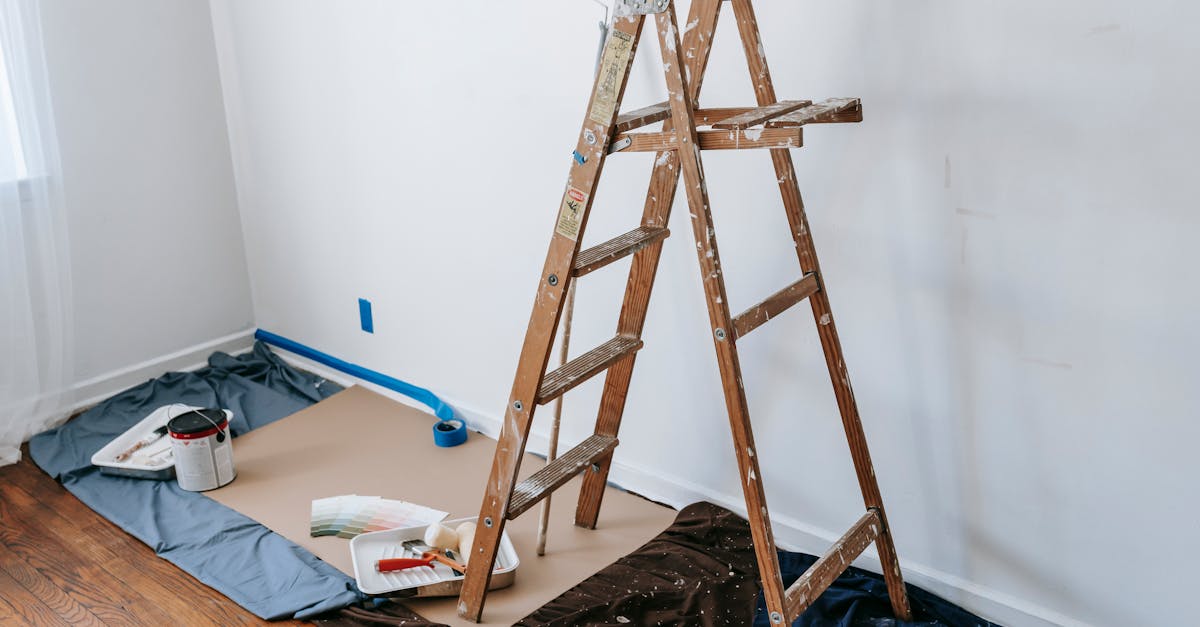
Embarking on a home renovation is an exciting journey that promises to transform your living space. Yet, the path from initial concept to completed project is often paved with questions about cost, design, and practicality. A well-considered plan is the most powerful tool you can have, turning potential stress into a rewarding process that enhances both your home’s value and your daily life.
Establishing a Clear Vision and Realistic Budget
Before a single wall is touched, defining your goals is paramount. Are you aiming to increase functionality, update an outdated aesthetic, or prepare your property for the market? The answer will steer every subsequent decision and help prioritize where to allocate funds.
Defining Your Project Scope
A vague desire for a “new kitchen” can lead to scope creep and budget overruns. Instead, break down your vision into specific, actionable components. This clarity is essential for obtaining accurate quotes and managing expectations.
- Functional Needs: List what isn’t working. Is it inadequate storage, poor lighting, or a cramped layout?
- Aesthetic Goals: Gather inspiration from magazines or online platforms to define your preferred style.
- Must-Haves vs. Nice-to-Haves: Categorize your ideas. This list becomes your negotiation tool if costs escalate.
- Long-Term Plans: Consider how long you plan to stay in the home. This influences the scale and type of investment.
Building a Contingency-Based Budget
Financial planning is the backbone of any successful renovation. A common misstep is budgeting only for the best-case scenario. Unforeseen issues, from plumbing complications to structural surprises, are not uncommon in older homes.
- Get Multiple Quotes: Obtain at least three detailed estimates from licensed contractors for a true cost picture.
- Itemize Expenses: Your budget should include materials, labor, permits, design fees, and a contingency fund.
- The 20% Rule: A standard practice is to add a contingency of 15-20% of your total budget for unexpected costs.
- Financing Options: Explore home equity loans, cash-out refinancing, or specialized renovation loans well in advance.
Inspiring and Practical Renovation Ideas
With a solid plan in place, exploring specific upgrades becomes more focused. The most satisfying projects often blend aesthetic appeal with tangible improvements to daily living. Consider these areas where strategic changes yield significant returns.
Kitchen: The Heart of the Home
A kitchen update consistently offers a strong balance of personal enjoyment and value retention. Full gut renovations are major undertakings, but impactful changes don’t always require one.
- Cabinet Refacing: Replace doors and drawer fronts while keeping the existing boxes for a fraction of the cost of all-new cabinetry.
- Strategic Appliance Upgrades: Investing in a high-efficiency, quiet dishwasher or a functional range hood can improve utility more than purely cosmetic changes.
- Countertop Alternatives: While natural stone is popular, high-quality quartz or butcher block can offer durability and style at different price points.
- Lighting Layers: Combine ambient, task (under-cabinet), and accent lighting to make the space more functional and inviting.
Bathroom: Creating a Personal Retreat
Bathroom renovations range from simple fixture swaps to complete overhauls. The key is prioritizing moisture management and choosing materials that stand the test of time and steam.
- Water-Efficient Fixtures: Modern toilets, showerheads, and faucets reduce water consumption without sacrificing performance.
- Ventilation is Non-Negotiable: A properly sized, quiet exhaust fan is critical to prevent mold and maintain air quality.
- Heated Flooring: For a touch of luxury with practical benefit, radiant floor heating systems can be installed during a floor replacement.
- Curbless Showers: A walk-in shower design not only looks sleek but also improves accessibility for all ages.
Living Spaces: Enhancing Flow and Function
Improvements to living rooms, bedrooms, and ancillary spaces often focus on creating a better flow and more adaptable environments. These projects can be less invasive but dramatically alter how a home feels.
- Opening Floor Plans: Removing a non-load-bearing wall between a kitchen and living area can create a sense of spaciousness, but always verify structural implications first.
- Built-In Storage: Custom shelving, window seats with storage, or floor-to-ceiling units in a living room add character and reduce clutter.
- Hardwood Floor Restoration: Refinishing existing hardwood floors is often more cost-effective than replacement and can completely revitalize a room.
- Energy-Efficient Windows: Upgrading to double or triple-pane windows improves comfort, reduces noise, and lowers utility bills.
Navigating the Execution Phase
The success of your project hinges on effective management. Whether you’re acting as your own coordinator or hiring a general contractor, understanding the process protects your investment and your sanity.
Selecting and Working with Professionals
The quality of your team will directly influence the outcome. Take the time to vet potential partners thoroughly. Check licenses, insurance, and, most importantly, speak to past clients and visit completed projects if possible.
- The Contract is Key: Ensure your agreement includes a detailed scope of work, payment schedule, start/end dates, and procedures for handling change orders.
- Communication Protocol: Establish a primary point of contact and a regular schedule for updates, whether daily or weekly.
- Permit Responsibility: Clarify who is responsible for pulling required permits. This is usually the contractor’s job, but the homeowner is ultimately liable for unpermitted work.
Managing the Timeline and Disruptions
Renovations disrupt daily life. Proactive planning for the chaos can make the process more manageable. Assume the timeline provided is an estimate and build in flexibility for delays due to material availability or unforeseen repairs.
- Create a Temporary Kitchen/Bathroom: If renovating these core rooms, set up a makeshift area with essentials elsewhere in the home.
- Dust Containment: Ensure your contractor uses plastic sheeting and negative air machines to seal off the work area from the rest of your home.
- Secure Valuables and Pets: Protect sensitive items from dust and provide a safe, quiet space for pets away from the construction zone.
Making Final Decisions and Ensuring Quality
As the project nears completion, attention to detail becomes critical. This phase is about verifying that the work meets the agreed-upon standards and that all systems function correctly.
The Walk-Through and Punch List
Do not make the final payment until you have conducted a thorough inspection with your contractor. Create a “punch list” of any items that need correction or completion, such as paint touch-ups, grout haze, or a misaligned cabinet door.
- Test Everything: Run all faucets, flush all toilets, test every light switch and outlet, and operate all appliances.
- Check Finishes: Look for consistent paint coverage, even caulking lines, and properly aligned tiles or floorboards.
- Documentation: Collect all product warranties, manuals, and a final lien waiver from the contractor confirming all subcontractors have been paid.
A home renovation is a significant undertaking, but it need not be an overwhelming one. The difference between a stressful experience and a successful transformation lies in the groundwork. By investing time in meticulous planning, defining a realistic financial framework, and understanding the management process, you equip yourself to make confident decisions. This disciplined approach allows you to focus on the ultimate goal: creating a home that reflects your vision and serves your needs for years to come, all within a framework that respects your resources.

Leave a Reply