The prospect of harnessing power from the sun is more accessible than ever, yet the journey from curiosity to a functional system involves navigating a landscape of technology, finance, and regulation. For homeowners considering this shift, the initial questions often revolve around how these systems truly operate, what determines their price, and how to sift through the available choices. This guide breaks down these fundamental aspects, providing a clear pathway to understanding your renewable energy options.
How Solar Energy Systems Operate
At its core, a residential solar installation converts sunlight into usable electricity for your home. The process is elegant in its simplicity but relies on sophisticated components working in concert. Understanding this basic operation is the first step in evaluating any proposal you might receive.
The Core Components
Every system is built around a few key parts. Each plays a distinct role in capturing, converting, and managing the energy produced on your roof.
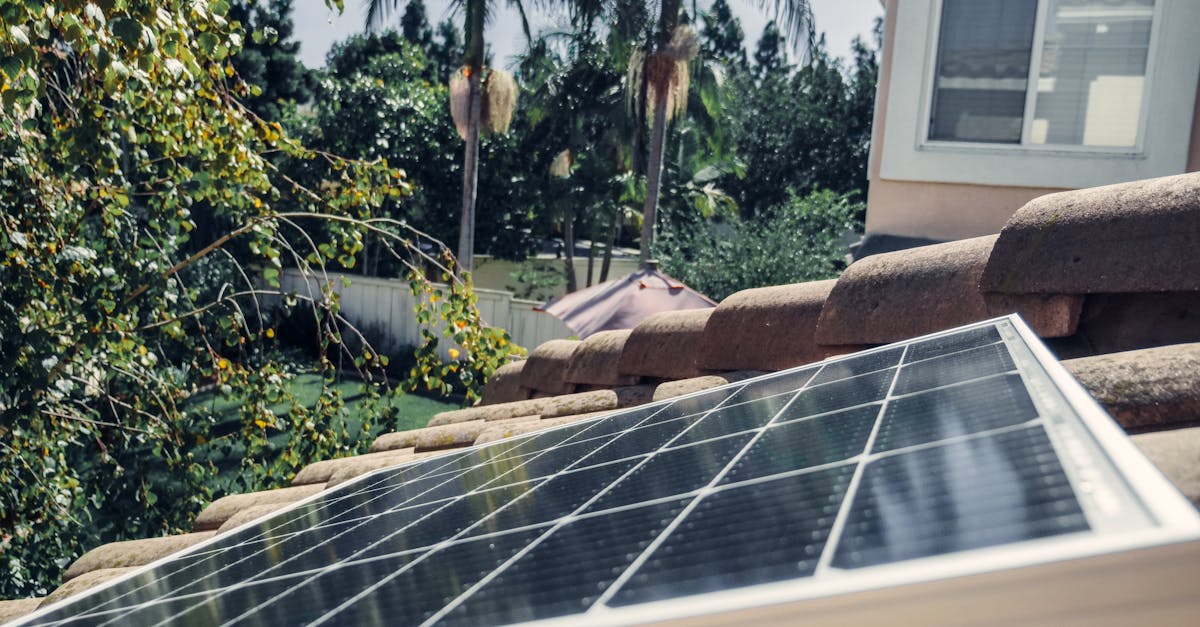
- Photovoltaic (PV) Panels: These are the most visible elements, mounted on your roof. They contain cells made from semiconductor materials, typically silicon, which generate direct current (DC) electricity when exposed to sunlight.
- Inverter: This is the brain of the operation. Household appliances use alternating current (AC) power. The inverter’s crucial job is to convert the DC electricity from the panels into usable AC electricity.
- Racking and Mounting: This is the secure framework that attaches the panels to your roof, designed to withstand weather while maintaining optimal angle for sun exposure.
- Performance Monitoring System: Modern systems often include software that allows you to track energy production in real-time from a smartphone or computer, providing insight into your system’s health and output.
System Configurations: Grid-Tied vs. Storage
Not all systems are set up the same way. The configuration you choose depends on your goals, local utility policies, and budget. The two primary setups are grid-tied and systems with battery storage.
- Grid-Tied Systems (Most Common): These are connected to the public electricity grid. When your panels produce more power than your home needs, the excess is sent back to the grid, often earning you credits through a process called net metering. At night or on cloudy days, you draw power from the grid as usual.
- Systems with Battery Storage: Adding batteries, like a Tesla Powerwall or similar unit, allows you to store excess energy for use later. This provides backup power during grid outages and can increase your energy independence, though it adds significantly to the initial cost.
What Impacts the Cost of a Solar Installation
The price tag for a solar energy system is not a one-size-fits-all figure. It is a variable sum influenced by a combination of factors related to your property, your energy needs, and the equipment you select. Breaking down these cost drivers empowers you to interpret quotes more effectively.
Key Factors Influencing Price
- System Size (Measured in Kilowatts): This is the primary cost driver. Size is determined by your historical electricity consumption. A review of your past utility bills helps installers calculate the kilowatt (kW) capacity needed to offset your usage.
- Your Roof’s Characteristics: The condition, material, pitch, and orientation of your roof matter. A south-facing roof with minimal shading is ideal. Complex roof designs or the need for structural reinforcements can increase labor and material costs.
- Equipment Quality and Type: Panel efficiency (how much sunlight they convert to electricity) and inverter technology vary by brand and model. Higher-efficiency panels cost more but may produce more energy in a limited space. Microinverters, attached to each panel, often cost more than a single string inverter but can optimize performance if parts of your roof are shaded.
- Local Labor and Permit Costs: Installation costs vary by region due to local market rates, the complexity of local building codes, and permit fees charged by your city or county.
- Incentives and Tax Credits: The federal Investment Tax Credit (ITC) allows you to deduct a significant percentage of the system cost from your federal taxes. State, local, and utility rebates can further reduce the net price, making final costs highly location-dependent.
How to Evaluate Your Solar Options
With an understanding of how systems work and what they cost, the next step is a methodical evaluation of proposals. This due diligence phase is critical to ensuring you select a reputable installer and a system that delivers promised value over its 25+ year lifespan.
Gathering and Comparing Quotes
Seek detailed proposals from at least three certified installers. A comprehensive quote should be more than just a bottom-line price; it should serve as a transparent blueprint for the entire project.
- Review the System Design: Each quote should include a detailed plan showing panel placement, system size (kW), and estimated annual energy production (kWh). Compare these production estimates—they should be reasonably similar for the same system size on your property.
- Scrutinize the Equipment List: Note the specific makes and models of panels and inverters proposed. Research their efficiency ratings, warranty terms (typically 25 years for panels, 10-25 years for inverters), and manufacturer reputation.
- Understand the Financial Breakdown: The quote should clearly separate equipment costs, labor, permit fees, and any other charges. It must show the cash price before incentives and the net cost after applying the federal tax credit and any local rebates.
- Clarify the Warranty & Service Agreement: Beyond product warranties, understand the installer’s workmanship warranty (usually 5-10 years) that covers the installation itself. Ask what the service process entails if an issue arises.
Asking the Right Questions
Your conversations with installers are an opportunity to gauge their expertise and customer service. Prepare a list of questions to ensure you’re making an informed comparison.
- “Can you provide references from recent projects in my area?”
- “Who will pull the necessary permits, and are those fees included?”
- “What is the estimated timeline from contract signing to interconnection with the utility?”
- “How do you handle situations where actual production falls short of the estimate in the proposal?”
- “What is your process for inspecting my roof and ensuring it is suitable for installation?”
Navigating Incentives and Financing
The financial landscape for solar is supported by incentives that can dramatically improve the economics. Simultaneously, a variety of payment options exist to match different budgetary needs.
- The Federal Solar Tax Credit: This is the most significant incentive, currently allowing you to claim a credit worth a percentage of your system cost against your federal income tax liability. It is crucial to consult with a tax professional to understand your eligibility.
- State and Local Programs: Many states offer additional rebates, property tax exemptions, or sales tax exemptions. Your utility company may also have specific rebate programs or favorable net metering policies that credit you for excess power.
- Payment Pathways: You can purchase the system outright for the greatest long-term savings, take out a solar loan (which allows you to own the system while paying it off monthly), or enter a lease or Power Purchase Agreement (PPA), where a third party owns the system and you pay for the electricity it produces at a set rate.
Exploring solar energy solutions is a significant decision that blends environmental consideration with financial planning. By methodically understanding the technology, the factors that shape costs, and the process for evaluating offers, you transform from a curious observer into an informed participant. This knowledge positions you to confidently engage with installers, assess the true value of a proposal for your specific home, and make a choice that aligns with your energy goals and financial expectations for years to come.

Leave a Reply