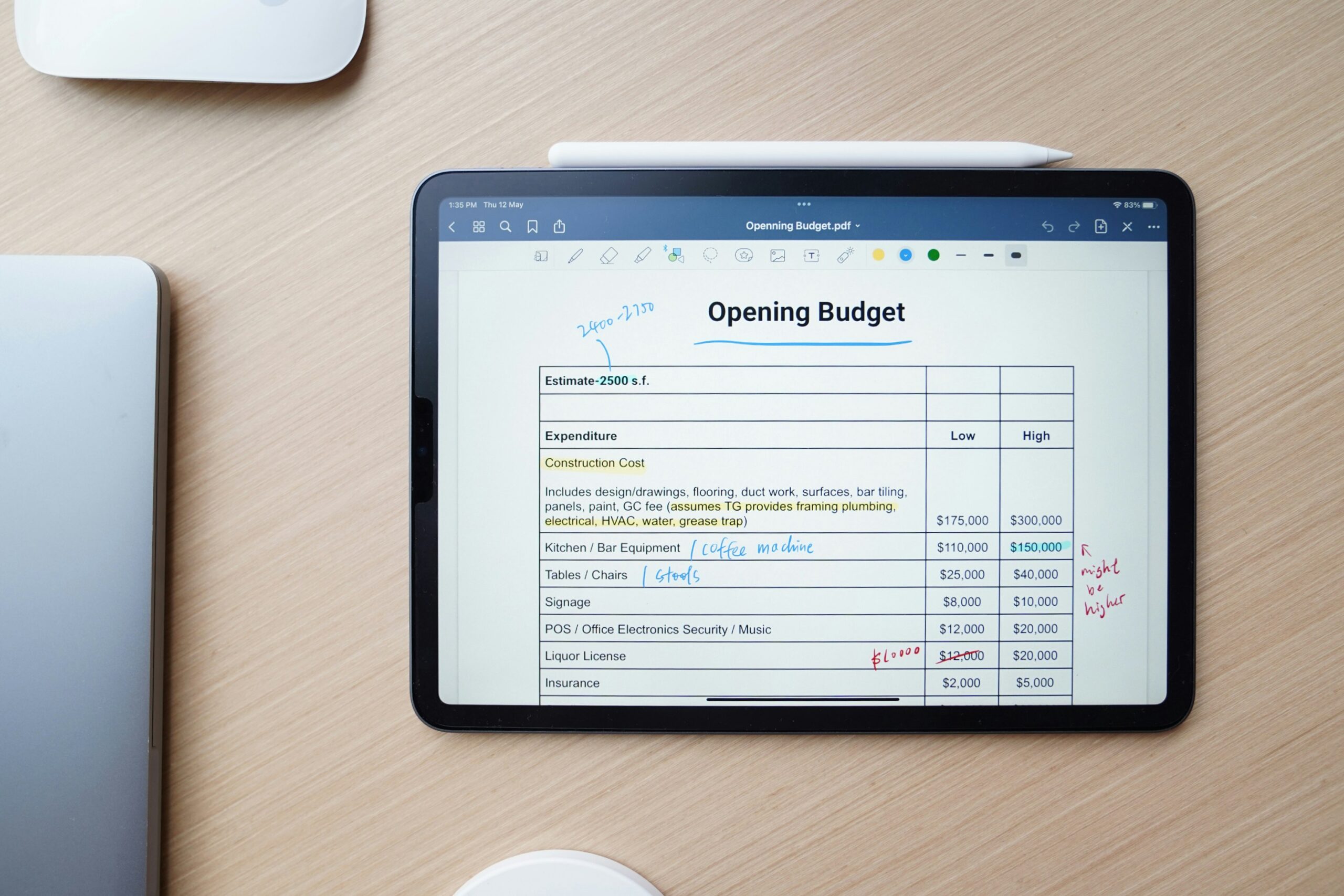
For decades, the dream of a major home renovation has been a perilous dance between vision and financial reality. Homeowners have navigated a fog of estimates, surprise overruns, and the constant anxiety of whether their capital allocation would hold. But as we move through 2026, a profound shift is underway. The intersection of sophisticated financial technology, AI-powered project management, and immersive visualization tools is transforming the chaotic world of fixer-uppers into a data-driven discipline. Today, the journey from initial concept to final coat of paint is no longer guided by guesswork, but by a suite of intelligent platforms that offer unprecedented control, foresight, and financial clarity. This new era of home improvement isn’t just about hammers and saws; it’s about algorithms, real-time data streams, and strategic financial orchestration.

The New Financial Foundation: Beyond Spreadsheets
Gone are the days when a simple spreadsheet was the pinnacle of renovation budgeting. In 2026, the process begins with specialized financial platforms designed to model the full lifecycle of a home improvement project. These tools integrate with your banking and investment accounts to provide a holistic view of your liquidity, while using predictive analytics to forecast cash flow needs.
High-Value Tools for Capital Planning
Leading platforms now function as bespoke renovation financial advisors. They don’t just track expenses; they help you strategize. Key features include:
- AI-Powered Cost Engines: By analyzing millions of local project data points—from premium kitchen remodel contractors in Austin to historic window restoration specialists in Boston—these tools generate hyper-localized budget ranges, accounting for current material costs and labor market conditions.
- Dynamic Contingency Modeling: Instead of a flat 20% buffer, AI calculates a risk-adjusted contingency fund based on your project’s specific complexity, age of home, and even the track record of your chosen contractor type.
- Integrated Financing Dashboards: These platforms seamlessly compare options like HELOC rate offerings from national lenders, renovation-specific loan products, and even the viability of leveraging premium rewards cards for initial purchases, all within the context of your overall financial picture.
The Contractor Conundrum: Vetting in the Digital Age
Selecting the right partner remains the single most critical financial decision in any renovation. The “ask for three references” model is now hopelessly antiquated. In 2026, due diligence is deep, data-rich, and essential for protecting your investment.
How Do I Find a Reputable General Contractor in 2026?
The modern answer lies in platforms that function like a commercial-grade contractor vetting service. They aggregate not just reviews, but verified project portfolios, licensing and insurance status in real-time, and—most importantly—subcontractor payment histories. A key metric now is a contractor’s “financial health score,” which signals their ability to pay their tradespeople on time, a primary indicator of project stability. For high-end projects, seeking out boutique design-build firms specializing in sustainable luxury renovations through these verified networks is becoming standard practice.
Immersive Planning: Seeing the Cost Before the Cut
One of the most significant budget-killers has always been the disconnect between a homeowner’s vision and the tangible reality of cost. Augmented Reality (AR) and Virtual Reality (VR) tools have evolved from novelty to necessity.
Using a tablet or VR headset, homeowners can now walk through a photorealistic model of their proposed space. But the 2026 advancement is the integrated real-time cost overlay. As you virtually select handmade zellige tile for the kitchen backsplash or specify wide-plank European oak flooring, a sidebar dynamically updates the budget, showing line-item costs and lead times. This instant feedback loop prevents costly design changes mid-construction and allows for informed trade-off decisions long before a single wall is opened.
The Execution Phase: Real-Time Financial Governance
Once construction begins, traditional budgeting often flies out the window. Modern project management tech has closed this gap with tools that provide daily financial transparency.
Blockchain for Builders: The Trust Protocol
For major projects, blockchain-secured smart contracts are gaining traction among premium contractors and clients. Funds are held in escrow within the contract and released automatically only when pre-defined milestones are verified (e.g., “rough-in plumbing inspection passed”). This eliminates payment disputes and ensures perfect alignment between work completed and capital disbursed. Simultaneously, platforms that offer AI-driven change order management instantly calculate the cost and timeline impact of any mid-project alteration, requiring digital sign-off before proceeding, thus eliminating surprise invoices.
Post-Project Analysis: Data for Your Next Investment
The conclusion of a renovation in 2026 is not the end of the financial journey. Sophisticated platforms provide a comprehensive ROI analysis. They track not just final spend versus budget, but also the estimated value added to your home based on comparable sales data in your area. This creates a valuable financial dataset for future projects or for when you decide to engage a top-tier real estate staging service to showcase your investment to potential buyers.
Key Takeaways for the 2026 Home Renovator
- Embrace Integrated Platforms: Seek out tools that combine budgeting, contractor vetting, and project management, rather than using disparate apps.
- Data is Your Best Defense: Hyper-local cost data and contractor financial scores are more valuable than any single referral.
- Visualize to Actualize: Use AR/VR with cost integration to lock in design and budget simultaneously, avoiding costly mid-stream changes.
- Demand Transparency: Utilize smart contract escrow services and AI change order systems to maintain financial control during construction.
- Think Long-Term: Analyze your project’s post-completion financial performance to inform future real estate and improvement decisions.
Conclusion: A New Paradigm of Empowered Ownership
Photo Credits
Photo by GoodNotes 5 on Unsplash
Leave a Reply